Travel Telemetry Nurse Pay (2026)
Telemetry contracts occupy the middle of the travel market: more acuity than med-surg, more beds than the ICU, and a rhythm strip every nurse on the unit is accountable for reading. Here is what tele travelers actually earn in 2026 — and what the fine print does to the number.
By the NursePayLab editorial team · Updated $1
Key numbers at a glance
| Measure | Staff telemetry RN (hedged) | Travel telemetry RN (hedged) |
|---|---|---|
| National RN baseline (BLS OEWS, May 2025) | median $97,550/yr ($46.90/hr); hospital-employed median $100,220 | no salary — priced per week, per contract |
| Typical weekly gross | roughly $1,875 (the national median ÷ 52), before differentials and overtime | typically roughly $1,900–$2,900/week package |
| Taxable hourly base | the full wage is taxable | typically roughly $18–$26/hr taxable, the rest structured as stipends |
| Tax-free stipends | none | commonly $700–$1,600/week combined, capped by GSA rates |
What telemetry nurses do
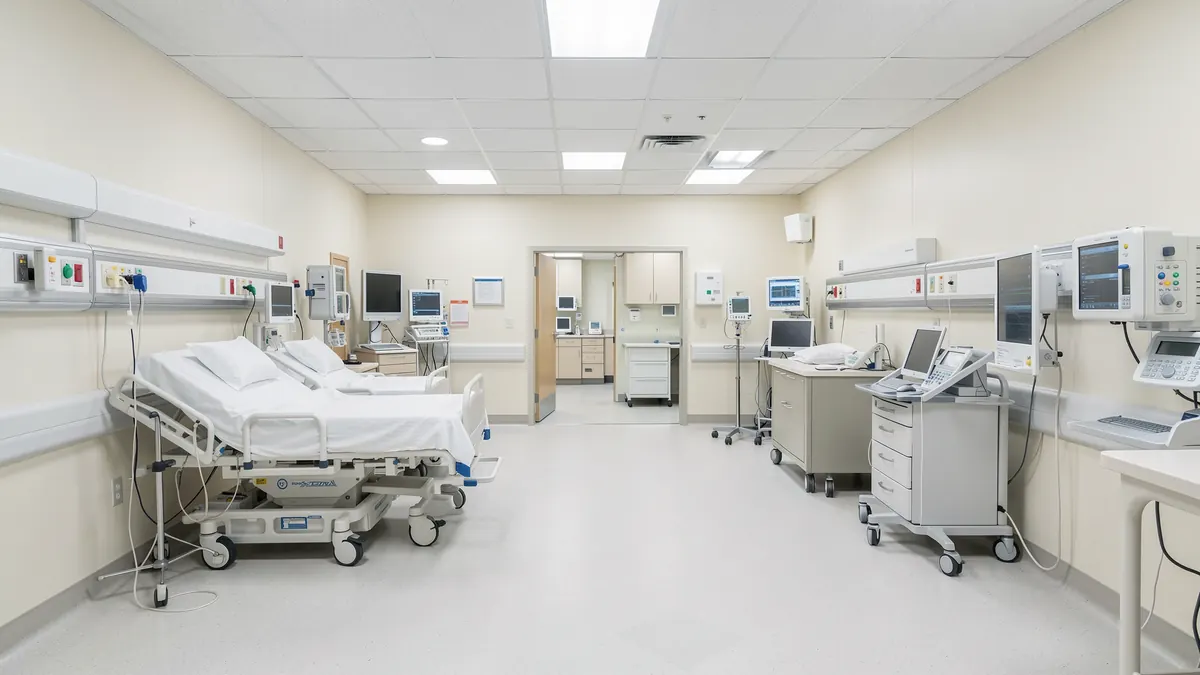
Telemetry (step-down and progressive care) nurses care for patients who need continuous cardiac monitoring but not an ICU bed: post-myocardial infarction, heart failure on titratable drips, heparin and amiodarone infusions, pre- and post-interventional cardiology, and the overflow of every critical care unit in the building. The defining skill is rhythm interpretation — a monitor technician may watch the central bank, but the nurse is accountable for recognizing the lethal strip and acting on it, and most facilities prove it with a rhythm exam during orientation. The acuity sits between the floor and the unit, and so does the workload: one patient crashing toward ICU and four recovering toward home, on the same shift.
Travel Telemetry nurse pay: the numbers
The baseline for any staff-versus-travel comparison is the national RN wage. Per the BLS Occupational Employment and Wage Statistics survey (May 2025), the median RN wage is $97,550 a year ($46.90 an hour), with hospital-employed RNs at a median of $100,220 — BLS publishes a single RN line and does not split it by unit, so treat those as the all-specialty floor, not a telemetry-specific quote. Telemetry staff roles typically sit near that median, lifted by night differentials and drip experience — verify locally, because differential policies are facility-specific.
Travel telemetry packages in 2026 typically run roughly $1,900–$2,900 a week gross — taxable wages plus tax-free stipends — sitting between med-surg and ICU in the market, with high-cost metros and chronically unfilled step-down units clearing the top and crisis contracts running above it. These are hedged market ranges, not quotes: bill rates move by facility, region and season. Verify current numbers with recruiters before you plan around them, and score every offer with the blended rate, not the sticker.
| Measure | Staff telemetry RN (hedged) | Travel telemetry RN (hedged) |
|---|---|---|
| National RN baseline (BLS OEWS, May 2025) | median $97,550/yr ($46.90/hr); hospital-employed median $100,220 | no salary — priced per week, per contract |
| Typical weekly gross | roughly $1,875 (the national median ÷ 52), before differentials and overtime | typically roughly $1,900–$2,900/week package |
| Taxable hourly base | the full wage is taxable | typically roughly $18–$26/hr taxable, the rest structured as stipends |
| Tax-free stipends | none | commonly $700–$1,600/week combined, capped by GSA rates |
| Overtime | 1.5x after 40 hours, facility policy varies | typically 1.5x after 40, on the taxable base only |
| Benefits | health coverage, 401(k), PTO from day one | usually none or thin — the package has to fund its own insurance |
Two consequences of that structure. First, the telemetry staff-versus-travel gap is narrower than the ICU gap — the staff median sits close to the floor of the travel band, so the tax-free stipend share does most of the work. Second, two tele offers with identical $2,400 weekly packages can differ by hundreds of dollars in take-home depending on the taxable/stipend mix. Run both through the take-home pay calculator, compare honestly with the blended rate calculator, and see how telemetry stacks up against every other unit on the travel nurse pay by specialty hub.

How specialty changes your contract
Demand first: telemetry demand is derivative — it rises and falls with units it serves. In winter, ICU overflow spills into step-down as critical care beds saturate; year-round, cardiology volume feeds it post-procedure patients; and every hospital that has opened a step-down unit to decompress its ICU has created a tele staffing line it cannot always fill. Postings are frequently pooled as med-surg/tele, which tells you the real demand shape: the market wants nurses flexible across the medical side, and prices telemetry accordingly — above med-surg, below ICU, with float expectations that explain the gap.
Contract specifics next, because four clauses decide a telemetry contract. Ratios: typically 1:3 to 1:5 depending on the facility and how step-down the unit really is — get the stated maximum in writing, and note that California's Title 22 ratio law caps telemetry at 1:4, the only statutory standard in the country. Floating: tele and med-surg are commonly pooled, so expect movement in both directions — the clause to check is whether you can be assigned to units whose rhythms and drips you were never oriented to. On-call: rare on tele floors; confirm rather than assume. Competency: plan on a dysrhythmia exam during orientation, and certifications run BLS and ACLS standard with a telemetry course commonly required — CCRN is not expected at this acuity. And read the cancellation clause before you sign, because tele census inherits med-surg's seasonality from below and ICU's overflow from above. If this is your first travel contract, walk the first assignment checklist first.
Crisis-rate history: step-down in the surge
Telemetry was where COVID overflow went when the ICUs filled. Hospitals opened step-down COVID units by the dozen, staffed them with whoever could read a strip, and paid accordingly: at the height of the pandemic, crisis contracts ran between $5,000 and $10,000 a week, per Health Affairs reporting on the 2020–2021 surge market. When COVID funding dried up, the floor fell out: by spring 2022, average travel rates had dropped to about $3,100 a week, per marketplace data reported by KFF Health News. Because tele demand is derivative of ICU capacity, its crisis rates inflate and deflate with the acuity specialties — you get the surge's pay without quite getting its peak. The standing lesson is the same: take the premium, never budget next year on it. Check the staff baseline yourself at bls.gov/oes.

FAQ
How much do travel telemetry nurses make in 2026?
Typically roughly $1,900–$2,900 a week gross — taxable wages plus stipends — between med-surg and ICU in the travel market, against a national staff RN median of $97,550 a year ($46.90 an hour) per BLS OEWS May 2025. High-cost metros and step-down units that cannot fill permanently clear the top. These are hedged market ranges — verify current numbers with recruiters.
What certifications do travel telemetry nurses need?
BLS and ACLS are standard, and most facilities require a passed dysrhythmia or telemetry course — often re-tested during orientation with a rhythm-strip exam. A telemetry certificate helps; CCRN is not expected at this acuity level. Requirements are facility-specific — confirm what the posting demands before you sign.
What ratios do travel telemetry nurses take?
Typically 1:3 to 1:5 depending on the facility and how step-down the unit really is — some tele units run closer to med-surg loads, others closer to ICU acuity. Get the stated maximum in writing. California's Title 22 ratio law caps telemetry at 1:4 — the only statutory standard in the country.
Do telemetry travelers float to med-surg?
Frequently — telemetry and med-surg are commonly pooled in postings and float agreements, and many contracts expect movement in both directions. The clause to check is the float list: which units appear on it, whether the rate changes, and whether you can be assigned to units whose rhythms you were never oriented to. Read it before signing.
Is telemetry a good stepping stone to ICU travel contracts?
Yes — step-down experience with titratable drips and rhythm interpretation is the standard runway into ICU. Most agencies and facilities want roughly one to two years of recent specialty experience before a tele contract, and ICU postings typically want two. Requirements vary by facility — ask recruiters what the specific posting requires.
What happened to telemetry crisis rates after COVID?
Tele filled the COVID overflow — hospitals opened step-down COVID units by the dozen, and crisis contracts paid $5,000–$10,000 a week at the peak, per Health Affairs, before average rates fell to roughly $3,100 a week by spring 2022 as funding dried up, per KFF Health News. Because tele demand is derivative of ICU capacity, its crisis rates inflate and deflate with the acuity specialties. Never build a yearly budget on one.